
Dealmaker, Analyst, Writer, Father
I study social rituals for a living. How they form, how they travel across generations, and what happens when the structures that hold them together start to shift.
My day job is VP of Brand Partnerships at LineLeap, where I work with alcohol and beverage brands to reach 21-25-year-olds in 800+ bars and clubs across 150+ college markets. That gives me a real-time read on how young adults actually behave in the spaces brands are most anxious about losing.
My newsletter, Proof Points, applies that lens more broadly -- why occasion architecture collapses, how cultural transmission shapes consumer taste, and where stated preferences diverge from actual behavior. With 1,200+ subscribers, it has been cited in GQ, Fox Digital, The Drinks Business, and Beer Business Daily and beyond.
I also advise alcohol and CPG brands on the gap between what their research says and what consumers actually do. I draw on history, economics, and social science because the industry keeps misreading structural problems as preference problems.
I'm a father to a daughter. That shapes how I see everything.
Projects

Data-driven analysis of where alcohol culture is heading and why it matters. Weekly-ish insights on the business trends and human behaviors reshaping how we drink.

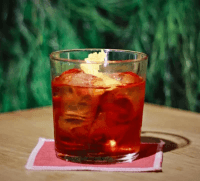
The Art of the Enduring Cocktail
Whitepaper analyzing 50 cocktails to identify why some drinks endure for generations while others fade into obscurity. The research reveals that enduring cocktails function as flexible platforms that can evolve across contexts and time periods, supported by compelling narratives and cultural meaning, rather than as rigid, perfect recipes.

I lead brand partnerships at LineLeap, helping alcohol, beverage, and lifestyle brands connect with 21–25-year-olds at the most valuable moment of the night: the first drink. My work centers on helping brands show up authentically in that space between anticipation and action, when social energy peaks and habits take shape.
In the Media
I'm frequently quoted on food and bevagerage culture, industry trends, and the forces reshaping how Americans consume alcohol.